Breaking News: First Edition out now 01 July 2026 . Now Magazine is available
UPI Fraud: Protecting Yourself Against Digital Scams
Unified Payments Interface (UPI) is a robust digital payment platform that allows users to make seamless transactions through their smartphones. While UPI has revolutionized the way payments are conducted in India, the convenience it offers can sometimes expose users to various fraud risks. UPI fraud refers to the criminal activities that exploit the vulnerabilities within the UPI framework to siphon off funds from unsuspecting users.
Digital Impact Magazine
7/24/20267 min read
What is UPI Fraud?
Unified Payments Interface (UPI) is a robust digital payment platform that allows users to make seamless transactions through their smartphones. While UPI has revolutionized the way payments are conducted in India, the convenience it offers can sometimes expose users to various fraud risks. UPI fraud refers to the criminal activities that exploit the vulnerabilities within the UPI framework to siphon off funds from unsuspecting users.
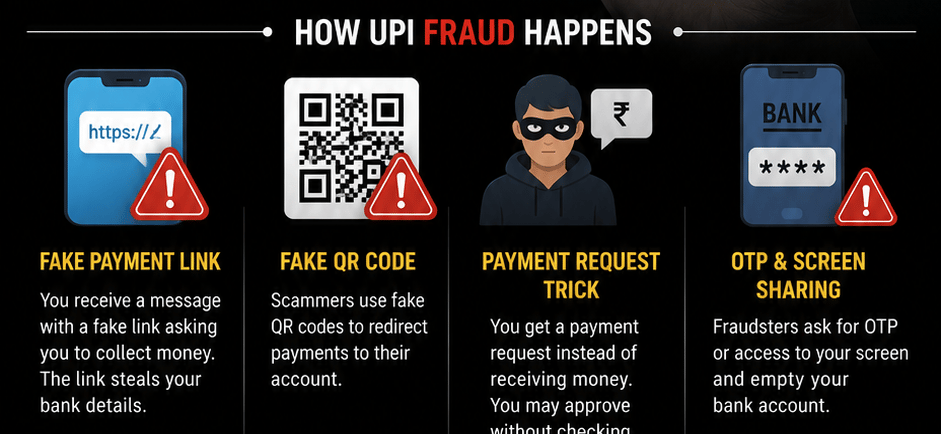
One of the most common tactics employed by scammers is phishing. Fraudsters often impersonate legitimate entities, sending messages or emails that prompt users to share their sensitive information, such as PINs or passwords. They may create fake customer service numbers or websites designed to mimic official UPI interfaces, tricking users into entering their details. Once the fraudster possesses this information, they can easily gain access to the victim's UPI account and initiate unauthorized transactions.
Another prevalent method is the use of fake apps. Scammers design counterfeit applications that closely resemble well-known UPI payment apps. These malicious applications may request permissions that allow them to access sensitive data on the user's device. When victims unwittingly download these apps, they become vulnerable to fraudulent activities as the scammers can manipulate the device and take control of the UPI transactions directly.
Moreover, social engineering tactics are frequently utilized in UPI fraud schemes. Scammers may contact potential victims through phone calls or messages, claiming to represent their bank or a government agency, convincing them to follow certain instructions that ultimately lead to a compromise of their UPI account. Victims are often led to believe they are securing their accounts or redeeming rewards, but rather, they are unknowingly providing scammers with critical access.
Common Types of UPI Fraud
As digital payment systems gain prominence, understanding the various forms of UPI fraud becomes essential for users seeking to safeguard their financial transactions. One prevalent type is phishing scams, where fraudsters impersonate legitimate entities to obtain sensitive information. For instance, a user might receive an email or message that appears to be from their bank, requesting them to verify their UPI details by clicking on a malicious link. If the user falls for this tactic, their personal and payment information can be compromised.
Another common form of UPI fraud involves fake payment requests. In this scenario, a scammer might send a request for payment through UPI applications, often accompanied by persuasive messages that create a sense of urgency or fear. For example, a user might receive a message stating that their account will be frozen unless they send a specified amount to the scammer's account. Such tactics prey on emotions, leading individuals to make hasty decisions without verifying the authenticity of the request.
Social engineering tactics also play a significant role in UPI fraud. This method relies on manipulating individuals into divulging their confidential information. For instance, fraudsters may call a victim, posing as customer support from a well-known financial institution, and lure them into sharing their UPI PIN or OTP under the guise of conducting a routine verification. This trust-based manipulation is particularly dangerous as it exploits the victim's reliance on authority.
In summary, it is crucial to stay informed about these common types of UPI fraud to enhance personal security. Awareness and vigilance can help users avoid falling victim to these schemes that leverage deceitful techniques to exploit the user’s trust and urgency.
Signs of UPI Fraud to Look Out For
As digital payment systems become increasingly popular, it is essential to be vigilant in recognizing the signs of UPI fraud. One of the first indicators of potential fraudulent activity can often be found in the messages you receive. If you receive messages that contain unfamiliar links or ask for urgent action regarding your UPI account, this should raise a red flag. Legitimate financial institutions typically do not request sensitive information via text messages or emails.
Another key warning sign is unusual transaction alerts. If you receive notifications about transactions that you did not initiate—especially for large sums or to unfamiliar recipients—this may indicate that your UPI credentials have been compromised. It's crucial to verify any transaction alerts by checking your payment history directly through the relevant app and not through links provided in suspicious messages.
Additionally, be cautious of unexpected requests for sensitive information. If someone contacts you claiming to be from your bank or UPI service provider, asking for your personal identification number (PIN) or other sensitive details, treat it with skepticism. Authentic representatives will never ask for sensitive information via phone calls or messages. Instead, you should directly reach out to your bank’s customer service using contact information from an official source to verify the request.
Lastly, always be on high alert for offers that seem too good to be true. Fraudsters often use enticing deals to lure unsuspecting individuals into sharing their UPI details. Staying aware of these signs can significantly decrease the likelihood of falling victim to UPI fraud. Maintaining a proactive approach toward online transactions and critically evaluating all communications relating to your digital financial services is essential in safeguarding your personal and financial information.
How to Safeguard Your UPI Transactions
As the popularity of Unified Payments Interface (UPI) continues to rise, securing your UPI transactions becomes increasingly important to avoid falling prey to digital scams. One of the first measures to implement is to set a strong password or PIN for your UPI account. It is advisable to select a password that contains a mix of uppercase and lowercase letters, numbers, and special characters. A strong password acts as a fundamental barrier against unauthorized access.
Enabling two-factor authentication (2FA) adds an additional layer of security. This method typically requires a second form of verification before transactions are approved, such as a one-time password (OTP) sent to your registered mobile number. Implementing 2FA significantly reduces the risk of unauthorized transactions since even if a scammer obtains your password, they would still require your mobile device to complete the transaction.
Regularly updating your UPI app is essential as well. Updates often contain security patches that protect against the latest threats. Visit the app store pertinent to your device to ensure that you are running the most up-to-date version of your UPI application. Additionally, uninstall any applications that you no longer use, as outdated apps can be vulnerabilities that hackers exploit.
Exercise caution when sharing personal information or payment details online. Be wary of unsolicited messages or emails requesting sensitive information related to your UPI account. Never share your UPI PIN or password with anyone, as legitimate service providers will never ask for these details. If you receive a request for account verification or transaction confirmation, be sure to verify the source before responding.
By following these practical steps and maintaining vigilance, you can greatly enhance the security of your UPI transactions and minimize the likelihood of becoming a victim of digital fraud.
Reporting UPI Fraud: What to Do If You're a Victim
Experiencing UPI fraud can be distressing, but it is essential to take prompt action to mitigate damages and potentially recover lost funds. The first critical step is to remain calm and assess the situation. If you suspect unauthorized transactions or activities on your United Payments Interface (UPI) account, act quickly to report the incident.
Begin by contacting your bank or financial institution immediately. Most banks have dedicated customer support lines for reporting fraud. Inform them about the suspicious transaction(s) and provide all necessary details, including transaction IDs, amounts, and the date of the transaction. This information will help them investigate the matter efficiently.
In addition to notifying your bank, you should file a complaint with the relevant authorities. Depending on your location, this may include the local police, cybercrime units, or financial regulatory bodies. Authorities such as the Cyber Crime Cell can initiate investigations which may aid in tracking down the fraudster.
Furthermore, if you have registered your UPI transactions with specific apps like Google Pay or PhonePe, it is advisable to report the fraud through their platforms as well. These services often have protocols in place to handle fraudulent activities and may assist in recovering your funds.
Additionally, consider changing your UPI PIN and securing your accounts with two-factor authentication to prevent further unauthorized access. It is also wise to keep detailed records of all communications regarding the fraud, as this documentation might be helpful later for any disputes or legal actions.
By taking these steps promptly after experiencing UPI fraud, victims can enhance their chances of recovering lost funds and protecting their financial accounts from future breaches. Engaging with banks and authorities helps build a safer ecosystem against digital scams.
Staying Informed about UPI Fraud Trends
In an era where digital transactions are becoming increasingly integrated into our daily lives, understanding the evolving trends associated with Unified Payments Interface (UPI) fraud is essential for protecting oneself against potential scams. UPI, which facilitates instant money transfers via mobile devices, has gained immense popularity; however, this has also made it a target for cybercriminals who exploit users’ vulnerabilities. Thus, staying informed about the latest developments in UPI fraud is crucial.
One of the most reliable sources of information on UPI fraud is official notifications from banks. Many financial institutions regularly update their customers about new phishing techniques, fraudulent apps, and various scams via email, SMS alerts, or their official websites. Being subscribed to these notifications ensures that you are abreast of the latest tactics used by fraudsters.
Moreover, government advisories play a significant role in educating the public about UPI fraud. The Reserve Bank of India (RBI) and the Ministry of Electronics and Information Technology (MeitY) publish resources that provide guidelines on safe online banking habits and highlight common indicators of fraud. Visiting their official websites can prove invaluable for those who want to gain insight into UPI-related security measures.
In addition to official channels, cybersecurity blogs and forums can serve as excellent platforms for staying updated. Many cybersecurity experts extensively analyze emerging threats and share their findings, thus equipping users with knowledge to thwart potential risks. Following reputable cybersecurity blogs can help you understand the vulnerability landscape and how to mitigate risks associated with digital payments.
In conclusion, maintaining awareness of UPI fraud trends requires vigilance and proactive engagement with various information sources, from bank notifications to government advisories and cybersecurity discussions. By prioritizing knowledge and staying informed, users can significantly enhance their defenses against the persistent threat of digital scams.
Conclusion and Final Remarks on UPI Safety
In conclusion, understanding UPI fraud and recognizing the various tactics employed by scammers is crucial for safeguarding your financial assets in the digital space. The rapid adoption of Unified Payments Interface (UPI) systems has made online transactions remarkably convenient; however, this has also led to a corresponding increase in digital scams. Fraudsters employ various deceptive methods, such as phishing attacks, fake offers, and unauthorized access to sensitive information, to exploit unsuspecting users.
It is paramount for users to remain vigilant and informed about the potential risks associated with UPI transactions. Regularly updating your banking applications, using strong passwords, and enabling two-factor authentication can significantly enhance your security. Furthermore, being cautious about sharing any personal information and verifying the authenticity of transaction requests or communications can help mitigate the risk of fraud.
Additionally, educating oneself about new scams and trends in online fraud is essential. Awareness reduces the chances of falling victim to scams, empowering users to make informed decisions when proceeding with UPI transactions. Keeping abreast of the latest security guidelines issued by financial institutions can also serve as an effective measure for protection.
Ultimately, it is not just individual users but also the community as a whole that must engage in discussions around UPI safety and fraud prevention. By sharing knowledge and experiences, users can create a collective shield against fraud. Taking proactive measures today will ensure a safer and more secure digital transaction experience for everyone.
Get in touch
Address
27/7 Vishnu colony ankpat marg ujjain (M.P.)
Contacts
+91-810-335-4280
info@digitalimpactmagazine.com
© 2026 The Ledger. All rights reserved.